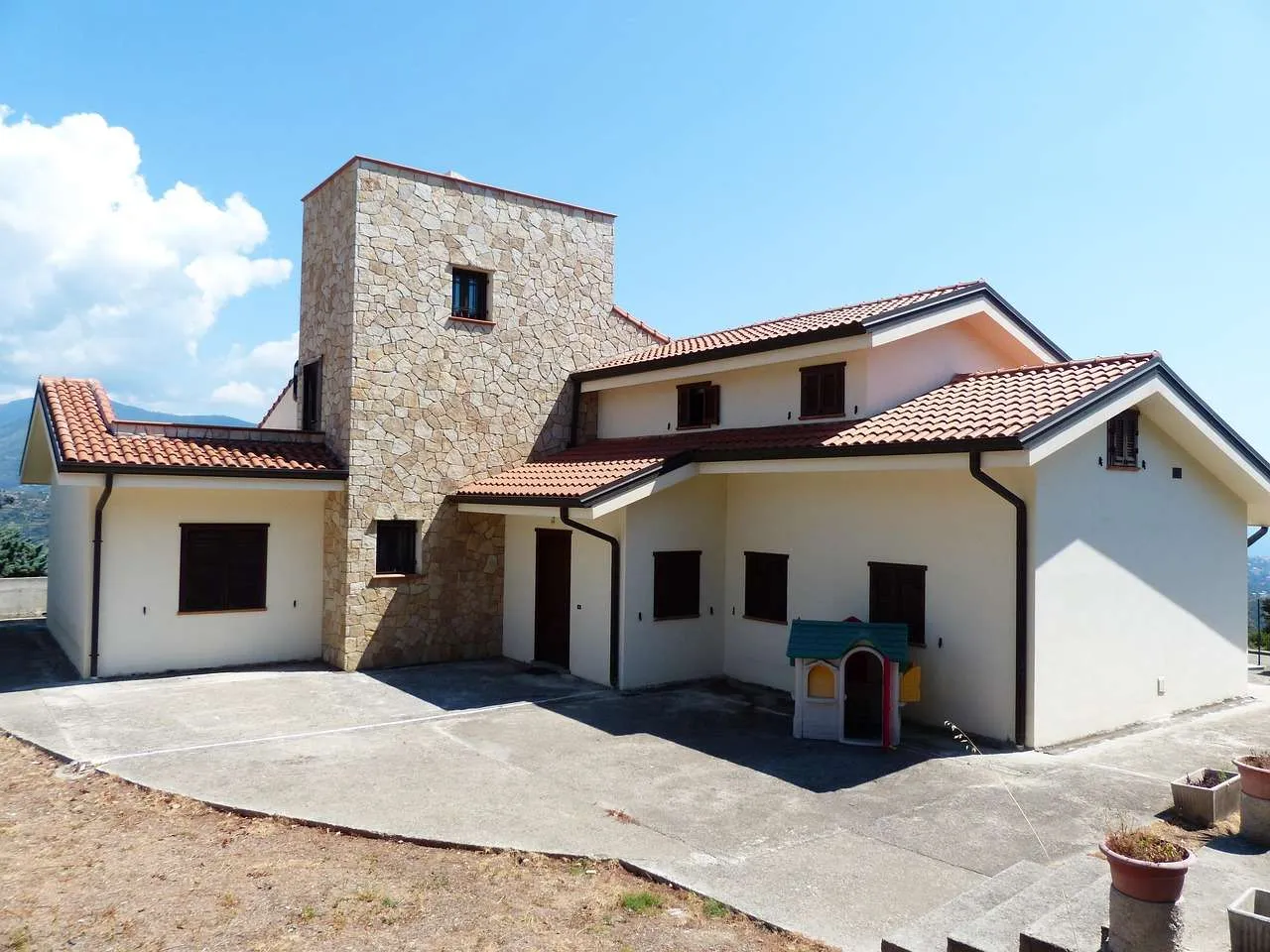
Understanding the Importance of Repair of Roofing
The repair of roofing is a critical aspect of home maintenance that ensures protection from harsh weather, energy efficiency, and structural integrity. Roof damage can lead to costly repairs if neglected, making timely repairs essential to preserve your property’s value and safety.
Common Roof Problems That Require Repair
Before diving into repair methods, it’s important to recognize typical roofing problems that homeowners face:
- Leaks and Moisture Damage: Caused by damaged shingles, cracked flashing, or poor seals.
- Shingle Damage: Missing, cracked, or curled shingles reduce protection.
- Gutter Failures: Clogged or broken gutters can cause water backflow affecting roofing materials.
- Structural Weakness: Sagging or rotting decking due to prolonged moisture exposure.
- Moss and Algae Growth: Can deteriorate roofing materials over time.
Step-by-Step Guide to Roof Repair
1. Inspection and Damage Assessment
Start with a thorough roof inspection to identify all areas requiring repair. Use binoculars or safely access the roof with necessary safety equipment. Look for missing shingles, damaged flashing, ponding water, and signs of rot.
2. Choose the Right Materials
The choice of materials should match the existing roofing system. Common materials for repair include asphalt shingles, metal flashing, roofing cement, sealants, and waterproof membranes.
3. Repair Techniques
Depending on the damage, various techniques are applicable:
- Replacing Shingles: Remove damaged shingles carefully and install new ones securely.
- Sealing Leaks: Use roofing cement or specialized sealants on cracks or around vents and chimneys.
- Flashing Repairs: Replace or patch flashing to prevent water intrusion.
- Gutter Cleaning and Repair: Ensure gutters are clear and properly attached to facilitate water flow.
DIY vs Professional Roof Repair
| Aspect | DIY Repair | Professional Repair |
|---|---|---|
| Cost | Lower upfront costs | Higher initial investment |
| Expertise | Limited, risk of error | Experienced specialists |
| Safety | Potentially hazardous | Adheres to safety standards |
| Tools & Equipment | May lack specialized tools | Fully equipped |
| Quality & Longevity | May vary | Guaranteed results with warranties |
Maintenance Tips to Extend Your Roof’s Lifespan
Regular maintenance reduces the frequency and cost of major repairs. Consider the following:
- Schedule biannual roof inspections, especially after severe weather.
- Clean gutters and downspouts to prevent water damage.
- Trim overhanging branches to avoid moisture retention and physical damage.
- Remove moss and debris promptly with appropriate cleaning methods.
- Insulate attics to reduce condensation under roofing materials.
Insurance and Warranty Considerations
Before starting repairs, check your homeowner’s insurance policy for coverage on roofing damage. Additionally, understand any manufacturer warranties on roofing materials that might cover certain repairs or replacements.
Environmental and Cost Benefits of Timely Roofing Repair
Repair of roofing is not only crucial for protection but also contributes to energy savings. A well-maintained roof improves insulation, reducing heating and cooling costs. Moreover, timely repairs reduce waste by extending the roof’s life, contributing to environmental sustainability.
Conclusion
Summary: The repair of roofing is an essential aspect of maintaining the safety, value, and energy efficiency of your home. Identifying common roof problems early, choosing appropriate repair methods, and deciding between DIY or professional services can save significant time and resources. Regular maintenance and understanding insurance coverage further optimize roofing longevity. By prioritizing roof repairs effectively, homeowners can ensure a durable and protective shelter for years to come.