Introduction
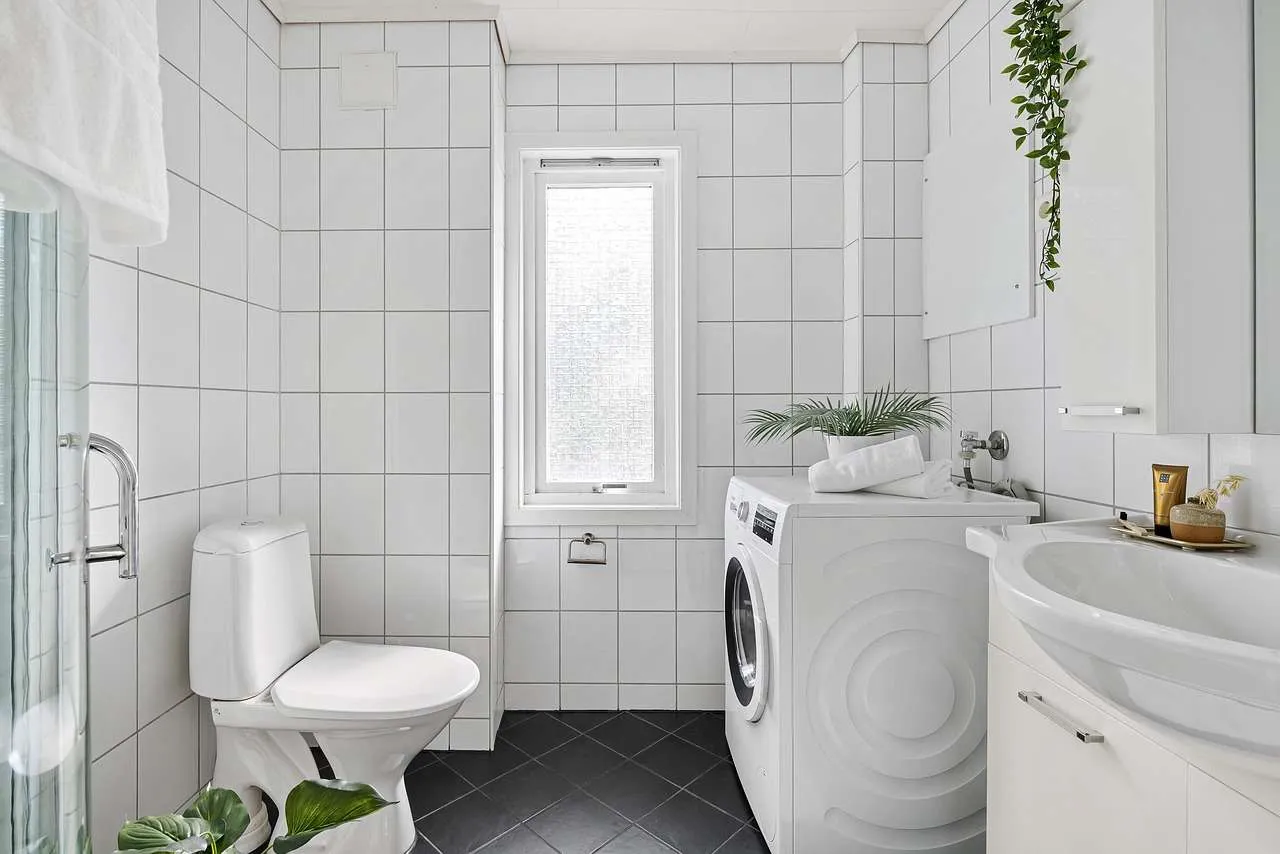
Small bathrooms pose unique design challenges. With limited floor space, every inch counts, but this constraint can inspire clever storage, smart fixtures, and brighter aesthetics. Drawing on a decade of interior design experience, I’ve learned which ideas consistently deliver real gains in function and feel. The goal of these small bathroom ideas is to help you create a space that looks larger, works better for daily routines, and stays durable in humid conditions.
Key principles for small bathroom ideas
- Maximize vertical space with tall cabinets and mirrors.
- Choose light, neutral or cool-toned colors to reflect light.
- Use glass and open layouts to reduce visual crowding.
- Install moisture-resistant materials with easy cleaning.
- Plan for storage that disappears behind doors and within walls.
Practical design strategies
Layout and fixtures
In a compact bathroom, wall-hung vanities and toilets free up floor space and make cleaning easier. A corner or linear shower with a clear glass door visually expands the room. If you prefer a tub, a compact 60 cm tub or a shower-tub combo with a sliding door can be a good compromise.
Color, materials, and finishes
Light colors such as soft whites, warm beiges, or pale grays create a sense of airiness. Glossy tiles or large-format porcelain reduce grout lines and cleaning effort. Use moisture-rated MDF or PVC for cabinetry, and consider quartz or solid-surface counters that resist humidity.
Storage and organization
Deep medicine cabinets, recessed niches in the shower, and tall linen towers maximize storage without crowding floor space. Add hooks and rails on doors for daily items. Use transparent or frosted containers to keep items visible yet tidy.
Lighting and ventilation
Layered lighting matters. Combine ceiling downlights with vertical sconces near the mirror to avoid shadows. A quiet exhaust fan with a humidity sensor improves comfort and helps protect finishes over time.
Smart layout ideas and examples
Consider these proven layouts for small spaces: wall hung vanity with wall mounted faucet; glass shower enclosure; pocket door to save space; and mirror-fronted cabinets that reflect light. For an ultra-tight bath, a corner shower with a curved door and a narrow vanity can feel surprisingly roomy.
Material choices and durability
Prioritize moisture resistance and easy maintenance. Choose ceramic or porcelain tiles with a simple grout color, and seal grout annually. For cabinetry, pick PVC or teak where moisture levels are higher. Countertops in quartz or cultured marble resist staining and warping better than wood.
Comparison of layout options
| Layout Option | Pros | Cons | Best Space |
|---|---|---|---|
| Walk-in shower with glass door | Feels open, easy cleaning, modern look | Requires adequate door clearance | Small to mid-size baths |
| Corner shower with curved door | Maximizes corner space, reduces clutter | Can limit shower size | Ultra-small baths |
| Wall-hung vanity and toilet | Visible floor space, easier cleaning | Costlier install | Bathrooms needing lightness |
| Pocket door | No door swing; saves space | Higher installation complexity | Narrow entry baths |
Cost-conscious upgrades and professional considerations
Small bathroom projects can deliver big impact without breaking the bank. Start with cosmetic updates such as new lighting, mirrors, and hardware. If plumbing or electrical changes are needed, hire a licensed contractor and verify local codes. Choose moisture-rated materials with warranties and request product data sheets to ensure durability. A brief design plan and 3D render can help you visualize before committing.
Conclusion
Conclusion, with deliberate planning, you can create a small bathroom that feels larger, functions better, and remains durable over time. Focus on light, reflects, and efficient storage; select suitable fixtures; and balance cost with quality. A thoughtful approach to materials and layout yields a space you will enjoy daily.
Summary: Small bathroom ideas combine smart layout, moisture-ready materials, bright lighting, and clever storage to transform tiny spaces into functional rooms with style. Prioritize walk-in showers, wall-hung fixtures, reflective surfaces, and vertical space; plan for ventilation and accessibility; and consult licensed pros for safety and code compliance. With measured planning and quality finishes, you can maximize every square inch while staying within budget.